

 Jerry
Jerry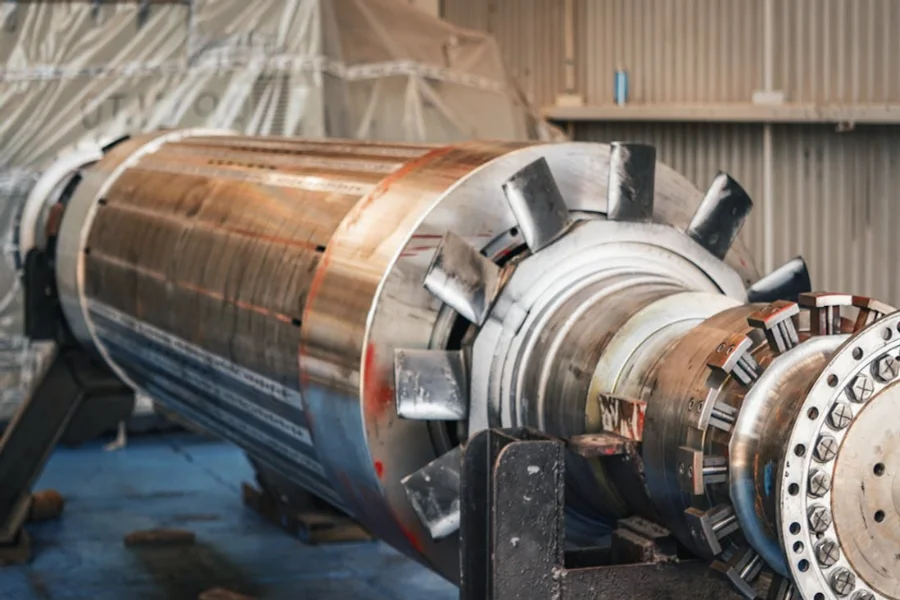
A ball mill is a simple and widely used machine that helps grind materials into very fine powder. It is commonly used in industries like mining, cement, chemicals, and construction. The machine works by rotating a large cylindrical drum that contains grinding media, usually steel or ceramic balls. As the drum turns, the balls move inside and crush the material into smaller particles through impact and friction. This process helps turn hard materials into fine powder that can be easily used in different industrial processes.
A ball mill is like a rotating container filled with balls that break down materials into tiny pieces. It can work with dry materials or with water, which is called wet grinding. Ball mills are popular because they are easy to use, reliable, and can handle different types of materials. They play an important role in improving product quality and making industrial processes more efficient.
What is a Ball Mill?
A wet ball mill is a machine that is used to grind materials into very fine particles by using water or another liquid. It works by rotating a large cylindrical drum that is filled with small balls made of steel, ceramic, or other strong materials. When the drum rotates, these balls move around and crush the material into a fine slurry. This slurry is a mixture of solid particles and liquid, and it is used in many industries.
In simple words, a wet ball mill is like a big rotating container where materials are mixed with water and crushed into powder. This process makes the material smoother, finer, and easier to use in different industrial applications. Wet ball milling is widely used because it gives better results compared to dry grinding in many cases.
Why Wet Ball Milling is Important
Wet ball milling is important because it helps industries produce very fine and uniform materials. Many industries need materials in powder form so they can be used easily in production processes. For example, in mining, fine grinding helps in extracting valuable minerals from ores.
Read More:
Another reason why wet ball milling is important is that it reduces dust. In dry grinding, a lot of dust is produced, which can be harmful to workers and the environment. Wet grinding uses water, which keeps the dust under control and makes the process safer and cleaner.
How a Wet Ball Mill Works
The working of a wet ball mill is simple and easy to understand. First, the raw material is added into the drum along with water. Then, the drum starts rotating at a specific speed. As it rotates, the grinding balls inside the drum move and fall on the material.
This movement creates impact and friction, which breaks the material into smaller particles. Over time, the material becomes very fine and mixes with water to form a slurry. The fine slurry is then discharged from the mill, while larger particles continue to grind until they reach the desired size.
Wet Ball Mill Working Principle
The working principle of a wet ball mill is based on impact and grinding action. When the drum rotates, the balls are lifted up and then fall back down onto the material. This falling action crushes the material into smaller pieces.
At the same time, the balls also rub against the material, which helps in further grinding. The presence of water improves this process by reducing friction and preventing the particles from sticking together. This results in a more efficient grinding process and finer output.
Main Parts of a Wet Ball Mill
A wet ball mill has several important parts that work together to perform the grinding process. The main part is the rotating drum, which holds the material and grinding balls. This drum is usually made of strong steel and may have a protective lining inside.
Another important part is the motor, which provides power to rotate the drum. There are also inlet and outlet systems for adding material and removing slurry. The grinding media, which are the balls inside the drum, play a key role in crushing and grinding the material.
Types of Wet Ball Mills
There are different types of wet ball mills used in industries, depending on the application and scale of operation. One common type is the batch wet ball mill, which works in cycles. It is suitable for small-scale production where materials are processed in batches.
Another type is the continuous wet ball mill, which runs continuously and is used in large industries. There are also overflow and grate discharge mills, which differ in how the slurry is discharged. Each type has its own advantages and is chosen based on the specific needs of the process.
Wet Ball Mill vs Dry Ball Mill
Wet ball mills and dry ball mills are both used for grinding, but they have some key differences. The main difference is that wet ball mills use water or liquid, while dry ball mills do not. This affects the grinding process and the final product.
Wet grinding produces finer particles and reduces dust, while dry grinding is simpler and does not require a drying process. However, wet grinding is often preferred when high precision and uniformity are needed. Choosing between the two depends on the application and material.
Advantages of Wet Ball Milling
Wet ball milling offers many advantages, which is why it is widely used in industries. One major advantage is that it produces very fine and uniform particles. This is important for processes that require high precision.
Another advantage is that it reduces dust and improves safety. The presence of water also helps in cooling the material and preventing overheating. Additionally, wet grinding improves efficiency and allows better mixing of materials.
Disadvantages of Wet Ball Mill
Despite its benefits, wet ball milling also has some disadvantages. One of the main drawbacks is that the final product needs to be dried, which adds an extra step to the process. This can increase time and cost.
Another disadvantage is that the system can be more complex and requires proper water management. Maintenance can also be slightly more challenging compared to dry ball mills. However, these drawbacks are often outweighed by the benefits.
Applications of Wet Ball Mill
Wet ball mills are used in many industries because of their efficiency and versatility. In the mining industry, they are used to grind ores and extract valuable minerals. This process helps in improving the recovery of metals like gold and copper.
In the cement industry, wet ball mills are used to grind raw materials into fine slurry before further processing. They are also used in chemical, pharmaceutical, and paint industries, where fine particle size is very important for product quality.
Wet Grinding Process Explained
The wet grinding process involves mixing the material with water and grinding it into a fine slurry. This process improves the flow and handling of the material. It also ensures that the particles are evenly distributed.
Water acts as a lubricant and helps reduce friction between particles.This improves the efficiency and smoothness of the grinding process. The result is a fine, uniform product that can be used in various applications.
Factors Affecting Wet Ball Mill Efficiency
Several factors affect the efficiency of a wet ball mill. One important factor is the speed of rotation. If the speed is too high or too low, it can reduce grinding efficiency.
Another factor is the size and type of grinding balls. The amount of water and the type of material also play a role. Proper control of these factors is important to achieve the best results.
How to Improve Wet Ball Mill Performance
Improving the performance of a wet ball mill involves optimizing different parameters. Adjusting the speed and using the right size of grinding media can make a big difference.
Maintaining the correct water level and regularly checking the equipment also helps improve performance. Using modern technology, such as automated control systems, can further enhance efficiency and reduce energy consumption.
Latest Trends in Wet Ball Milling
In recent years, wet ball milling technology has improved significantly. New systems are being designed to reduce energy consumption and increase efficiency. This is important because grinding processes use a lot of energy.
Another trend is the use of automation and smart monitoring systems. These systems help in controlling the process more accurately and reducing human error. There is also a focus on environmentally friendly designs that reduce waste and emissions.
Maintenance of Wet Ball Mill
Proper maintenance is important to ensure the long life and efficient operation of a wet ball mill. Regular inspection of the drum, liners, and grinding media is necessary.
Lubrication of moving parts and checking the motor system are also important. Keeping the system clean and monitoring water levels can help prevent problems and improve performance.
Common Problems and Solutions
Like any machine, wet ball mills can face some common problems. One issue is uneven grinding, which can be caused by incorrect ball size or speed. Adjusting these factors can solve the problem.
Another issue is blockage or poor slurry flow. This can be fixed by maintaining proper water levels and cleaning the system regularly. Regular maintenance helps in avoiding most problems.
Future of Wet Ball Mill Technology
The future of wet ball milling looks promising, with new innovations being developed. Researchers are working on improving efficiency and reducing energy consumption.
Environmental preservation and sustainability are also receiving more attention.Advanced materials and smart technologies are expected to make wet ball mills more efficient and reliable in the coming years.
Real Life Example of Wet Ball Mill Use
A good example of wet ball mill use is in gold mining. The ore is first crushed and then mixed with water before being fed into the mill.
Also More: https://flow.thediddy.blog/
Inside the mill, the ore is ground into a fine slurry. This makes it easier to extract gold using chemical processes. This method improves recovery and reduces waste.
Simple Explanation for Beginners
If you are new to this topic, you can think of a wet ball mill as a large rotating mixer filled with balls and water. As it spins, the balls crush the material into fine particles.
This simple process is used in many industries to make materials smoother and more useful. Understanding this basic idea makes it easier to learn more about wet ball milling.
Conclusion
A wet ball mill is an important machine used for grinding materials into fine particles using water. It is widely used in industries like mining, cement, and chemicals because of its efficiency and ability to produce uniform results.
Although it has some disadvantages, its benefits make it a preferred choice in many applications. With new technology and improvements, wet ball milling is becoming more efficient and environmentally friendly. It will continue to play a key role in industrial processes in the future.
FAQs
What is a wet ball mill used for
A wet ball mill is used to grind materials into fine particles using water or liquid.
How does a wet ball mill work
It works by rotating a drum filled with balls that crush and grind the material into slurry.
What is the difference between wet and dry ball mill
Wet ball mills use water and produce finer particles, while dry ball mills do not use liquid.
Is wet ball milling better
It is better for producing fine and uniform particles, but it may require additional drying.